
Your Garage Door Shouldn't Sound Like That
You press the button, and instead of the smooth hum you're used to, your garage door greets you with a grinding screech, a rhythmic banging, or an unsettling popping sound. If you're a homeowner in Cloverdale, you've probably experienced this at least once — especially during the cooler mornings when metal components contract and lubricant thickens.
The good news is that not every strange noise means an expensive repair. The bad news? Some of those sounds are early warnings of a serious problem that could leave you stuck — or worse, put your family at risk. Here's a guide to decoding the most common garage door noises and knowing when to take action.
Squealing or Screeching
A high-pitched squeal when your garage door opens or closes is one of the most common complaints we hear from homeowners. It's also one of the easiest to diagnose.
What's Likely Causing It
- Lack of lubrication: Metal rollers, hinges, and tracks need periodic lubrication to operate smoothly. Over time, grease dries out and metal-on-metal friction creates that unmistakable screech.
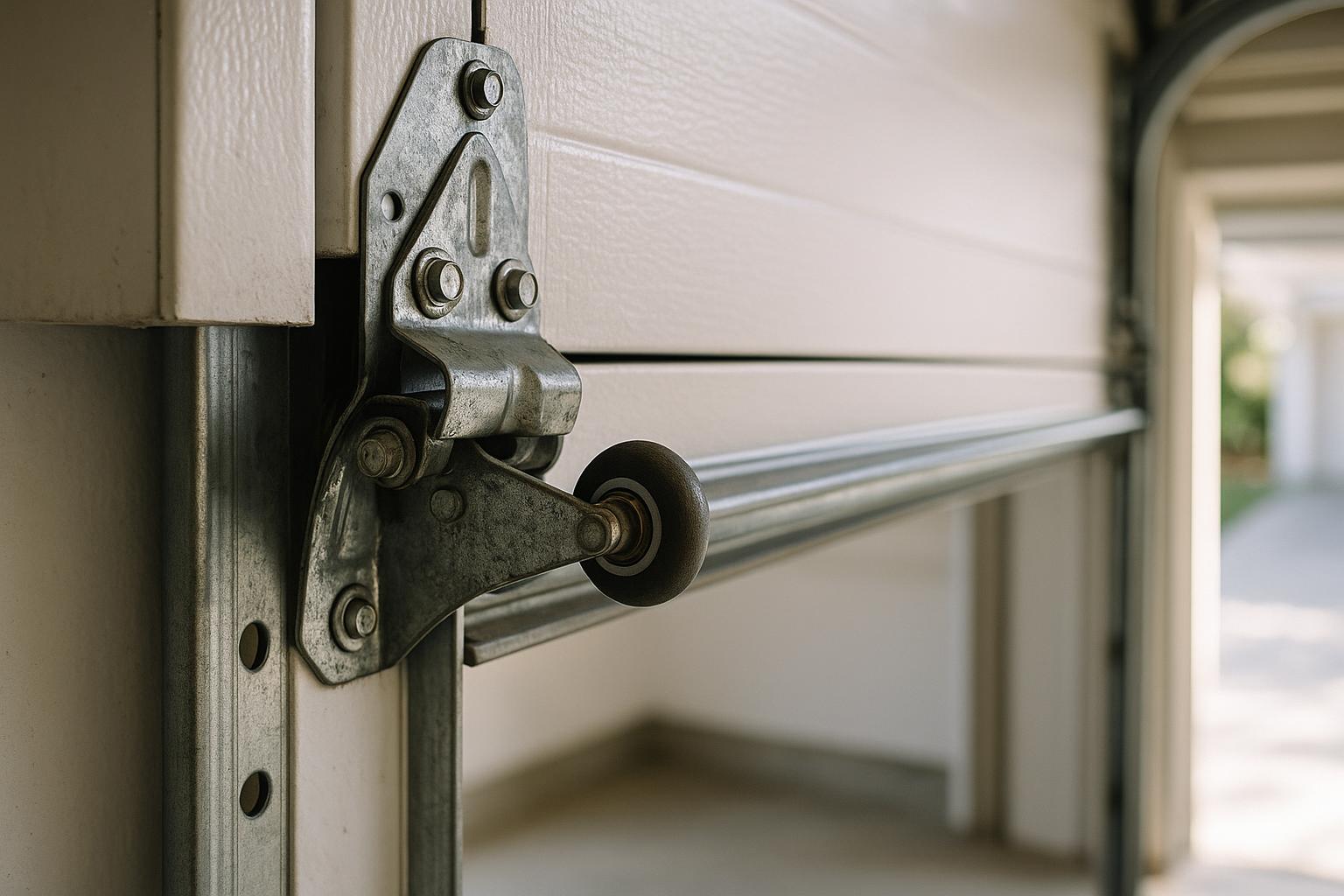
- Worn rollers: If your door uses steel rollers (rather than nylon), they naturally become noisier as they wear down. Pitting and flat spots on the rollers amplify the sound.
- Misaligned tracks: When the vertical or horizontal tracks shift even slightly, the rollers drag against the track walls, producing a scraping or squealing noise.
What You Can Do
Start by applying a silicone-based or lithium-based garage door lubricant to the rollers, hinges, and spring coils. Avoid using WD-40 as a long-term lubricant — it's a solvent that can actually strip away the grease your components need. If lubrication doesn't solve the problem, the rollers may need to be replaced, or the tracks may need professional realignment.
Grinding or Scraping
A grinding noise is harder to ignore and usually signals something more significant than a lack of lubrication.
What's Likely Causing It
- Damaged rollers: Rollers that are cracked, chipped, or have lost their ball bearings will grind against the track.
- Bent track sections: A track that's been bumped by a car, bicycle, or heavy object can develop a bend that forces the door to grind past the obstruction every cycle.
- Opener gear wear: If the grinding seems to come from the ceiling-mounted opener unit itself, the internal gears — often made of nylon — may be stripped or wearing down.
What You Can Do
Visually inspect the tracks for obvious dents or bends and check the rollers for visible damage. If the sound is coming from the opener, stop using it until a technician can inspect the gear assembly. Running a stripped gear can burn out the motor entirely, turning a moderate repair into a full opener replacement.
Rattling or Vibrating
A rattling garage door can make your entire home feel like it's shaking, which is especially noticeable in the bedrooms above or adjacent to the garage — a common layout in many Cloverdale homes.
What's Likely Causing It
- Loose hardware: Nuts, bolts, and screws on the track brackets, hinges, and opener mounting can loosen over time due to the constant vibration of daily use.
- Loose chain or belt: If your opener uses a chain drive, a chain that's too loose will slap and rattle during operation. Belt-drive openers can also develop slack over time.
- Unsecured opener mounting: The bracket or strapping that holds the opener to your ceiling joists can work itself loose, allowing the entire unit to vibrate.
What You Can Do
Grab a socket wrench and tighten all the visible bolts on the tracks, hinges, and mounting brackets. Check the chain tension according to your opener's manual — most should have about a half-inch of play at the midpoint. If the rattling persists, consider upgrading to a belt-drive opener, which operates significantly quieter than chain-drive models.
Banging or Popping
A loud bang or pop is the noise that sends most homeowners straight to the phone. And rightly so — it can indicate a serious issue.
What's Likely Causing It
- Torsion spring issues: A single loud bang, especially when the door isn't in use, often means a torsion spring has broken. This is a dangerous situation that requires immediate professional attention. Never attempt to replace or adjust torsion springs yourself.
- Panel flexing: If you hear popping as the door moves, the panels themselves may be flexing under uneven tension. This is common with older wooden doors or doors with damaged sections.
- Track obstructions: Small debris, leaves, or even a pebble caught in the track can cause the rollers to pop as they pass over the obstruction.
What You Can Do
If you suspect a broken spring, do not try to operate the door. Disconnect the opener and call a professional. For popping sounds during operation, inspect the tracks for debris and clear anything you find. If the panels are visibly warping or bowing, it may be time to discuss door replacement options.
Humming Without Movement
You press the remote and hear the opener hum or buzz, but the door doesn't move. This is frustrating but usually points to a specific set of problems.
What's Likely Causing It
- Stripped opener gears: The motor runs but can't transfer power to the drive mechanism because the gears are worn smooth.
- Disconnected trolley: The trolley carriage that connects the opener arm to the door may have been accidentally disengaged — usually by pulling the emergency release cord.
- Seized door: If the door is locked, frozen in its tracks, or blocked by a broken spring, the motor will hum but the door won't budge.
What You Can Do
Check whether the emergency release has been pulled and re-engage it if needed. Try lifting the door manually — if it won't move, something is binding or broken. If the motor runs but the door stays put even when the trolley is engaged, the internal gears likely need replacement.
When to Call a Professional
Some garage door noises are simple maintenance issues you can handle with a can of lubricant and a wrench. Others are red flags that demand professional diagnosis. As a general rule, call a technician when:
- You hear a loud bang and the door won't open
- Grinding or scraping persists after lubrication
- The door moves unevenly or appears crooked in the tracks
- The opener motor runs but the door doesn't respond
- You notice frayed cables, gaps in the springs, or visible hardware damage
At Precision Garage Door of Cloverdale, we help homeowners across Cloverdale, Healdsburg, Geyserville, and the surrounding Sonoma County communities diagnose and fix noisy garage doors every week. We'll identify the exact source of the problem, explain your options clearly, and get your door running quietly again — usually in a single visit.
Don't Ignore the Warning Signs
Your garage door is the largest moving component in your home, and it cycles thousands of times a year. Strange noises are its way of telling you something needs attention. Addressing the issue early almost always costs less than waiting for a full breakdown — and it keeps your family safe in the process.
If your garage door has started making a noise that doesn't sound right, give us a call or schedule a service appointment online. We'll listen to what your door is telling us and make it right.